
6 Ways an Industrial Concrete Contractor Ensures Safety and Compliance
When embarking on a large-scale project, the foundational integrity of the built environment relies on the expertise executing the work. Navigating heavy-duty jobs requires a commitment to regulatory standards, safety guidelines, and structural reliability. An experienced industrial concrete contractor understands that achieving long-term success involves implementing rigorous protocols protecting workers and future occupants. By adhering to engineering principles and local building codes, professionals mitigate risks like structural failure, workplace accidents, and environmental hazards. Prioritizing compliance guarantees massive structures withstand extreme operational stresses without compromising quality. According to the American Society of Civil Engineers' 2025 Report Card for America's Infrastructure, national roads earned a D+ rating and bridges secured a C rating, with a $3.7 trillion projected deficit between necessary and planned infrastructure funding. This highlights the importance of reliable construction practices.
1. Maintaining Preparation and Conditions
The initial stages of any major endeavor dictate the trajectory of the entire project, making groundwork vital for future stability. Before pouring materials, professionals assess the terrain, soil composition, and surrounding environment to identify potential vulnerabilities. This phase involves clearing debris, establishing adequate drainage systems, and grading the earth to create a leveled base. A reputable industrial concrete contractor recognizes that skipping preliminary steps can lead to uneven settling, cracking, or catastrophic failures. By engineering the ground to support massive weight loads, teams ensure subsequent phases proceed smoothly.
Maintaining proper site preparation and conditions requires heavy compaction machinery and precise geotechnical surveying tools to verify the soil reaches optimal density. If a site features poor soil bearing capacity, engineers might implement stabilization techniques to prevent future shifting. Establishing proper runoff channels prevents water from pooling beneath the slab, which causes erosion and freeze-thaw damage. Through adherence to localized zoning laws and safety standards during excavation, crews create a secure environment that supports the demands of heavy applications.
2. Monitoring Consistency and Quality
The structural capabilities of any large-scale facility rely directly on the chemical and physical properties of the materials used. Achieving the right balance of cement, water, and aggregates is paramount, as minor deviations can reduce the strength and durability of the finished product. To guarantee long-lasting results, professionals employ testing protocols to verify every batch meets exact specifications. A skilled industrial concrete contractor knows a uniform blend is the primary defense against premature deterioration, surface scaling, and internal weakness.
In practice, monitoring mix consistency and quality involves conducting on-site slump tests, air content measurements, and compressive strength cylinder testing to confirm the material adheres to industry standards. If a project requires a high-strength application for heavy machinery flooring, the water-to-cement ratio must remain low to prevent shrinkage cracks while maintaining workability. Chemical admixtures like plasticizers or retarders help adjust the curing time without compromising the final integrity of the pour. By evaluating these technical parameters, crews ensure exceptional load-bearing capacity.
3. Evaluating Impact and Timing
Environmental factors play a massive role in timelines and material performance, acting as unpredictable variables that must be managed. Temperature fluctuations, ambient humidity, and precipitation can alter how materials cure, bond, and harden. To avoid compromised structural integrity, managers analyze atmospheric conditions and adjust operational schedules to align with optimal environmental windows. An expert industrial concrete contractor plans every phase of the pour around these natural elements to prevent superficial defects and deep structural weaknesses. By staying ahead of weather patterns, teams guarantee the final product maintains its intended strength.
Evaluating weather impact and timing means utilizing thermal blankets, ground heaters, or heated water in the mix during freezing temperatures to prevent water within the material from crystallizing before proper hydration occurs. Conversely, during extreme heat, teams may employ evaporative retarders, windbreaks, or ice as a water substitute to slow the curing process and prevent rapid moisture loss. The logistics of delivery must also align so trucks arrive exactly when the site is prepped and the weather is cooperative, avoiding delays that cause cold joints.
4. Prioritizing Reinforcement and Support
While foundational materials are strong under compression, their natural vulnerability to tension necessitates the integration of robust internal support structures. To prevent catastrophic cracking and fracturing under immense operational loads, teams weave intricate skeletal frameworks throughout the pouring area. This internal framework acts as a cohesive bond that holds the structure together, allowing it to flex and absorb kinetic energy. A dedicated industrial concrete contractor realizes that an unreinforced structure poses a severe safety hazard in environments subjected to heavy forklift traffic, vibrations, and stationary machinery.
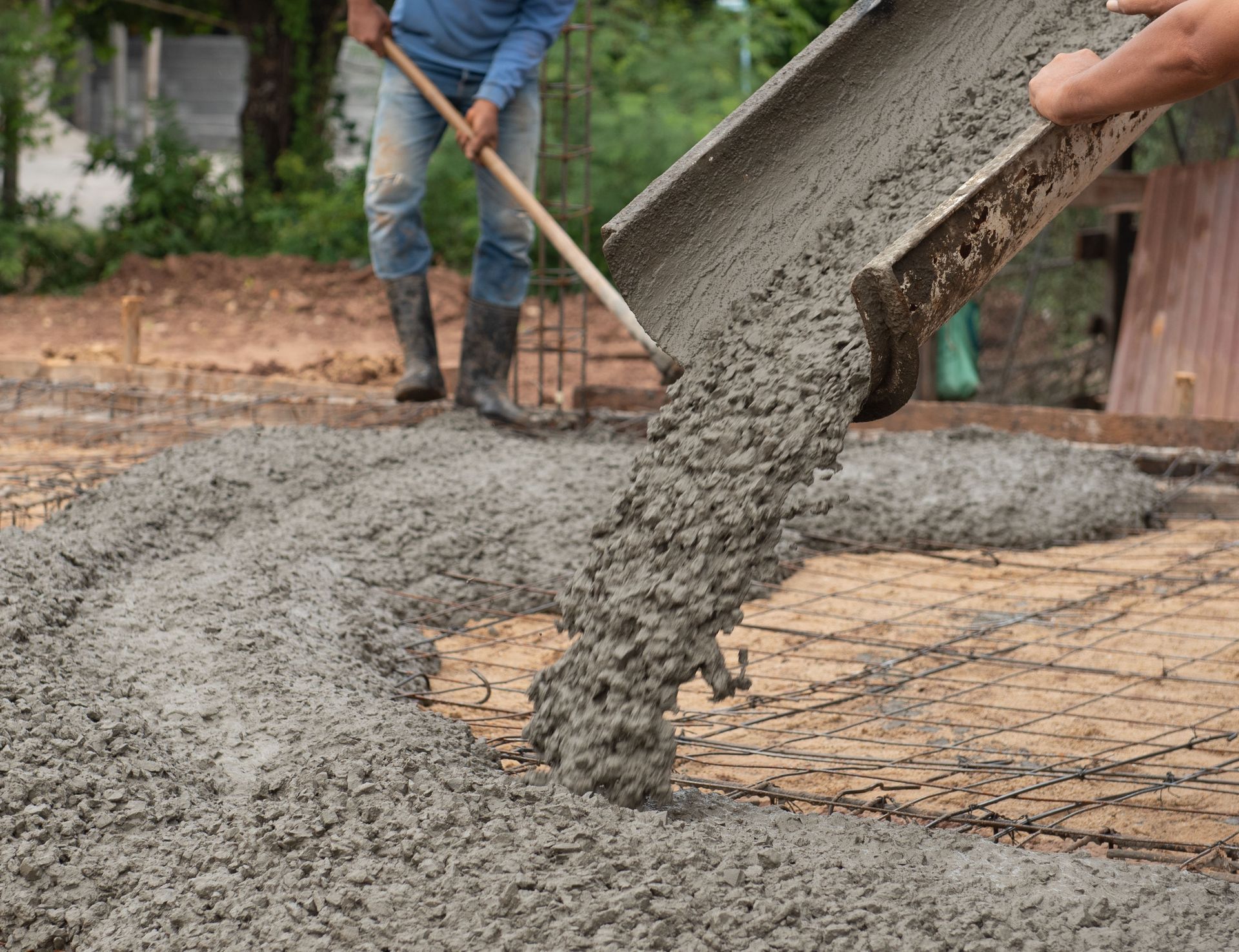
Prioritizing material reinforcement and support requires the strategic placement of steel rebar grids, welded wire mesh, or synthetic micro-fibers directly into the matrix of the slab or wall. Structural engineers calculate the exact spacing, depth, and diameter of the steel bars required to meet specific load-bearing regulations of the local building code. Before the pour begins, inspectors check that the rebar is elevated on specialized chairs so it sits right in the center of the slab, maximizing tensile strength. This integration of steel prevents structural shifting and flexural failure.
5. Customizing Solutions and Strategies
No two sites are exactly alike, meaning a one-size-fits-all approach is insufficient for complex commercial builds. Every facility has unique functional requirements, ranging from chemical resistance and thermal shock capabilities to extreme weight tolerances and specialized surface textures. To meet these highly variable needs, leaders design adaptable strategies that cater directly to the intended use of the physical space. A resourceful industrial concrete contractor collaborates closely with architects and facility owners to develop tailored approaches that address both aesthetic desires and operational safety codes, ensuring the completed project upholds structural integrity.
Customizing solutions and strategies might involve formulating a specialized finish for a food processing plant that requires a non-porous, antimicrobial surface to pass health inspections. Alternatively, an aerospace manufacturing hangar might require an ultra-flat floor specification to allow delicate, heavy equipment to glide seamlessly across the room without vibration. Teams might incorporate specialized jointing techniques and localized thickening in areas expecting concentrated point loads, such as beneath towering storage racks. By engineering these modifications into the initial design and execution phases, crews deliver a precise, purpose-built environment.
6. Implementing Maintenance and Care
The completion of a project marks the beginning of a structure's operational lifespan, which must be protected through proactive stewardship. Even the most robustly engineered facilities will succumb to wear and tear, environmental degradation, and heavy usage if left unattended. To preserve the safety and compliance of the site long after the initial build, a comprehensive preservation strategy must be established and followed. A knowledgeable industrial concrete contractor educates property owners on the importance of routine upkeep to prevent minor surface blemishes from evolving into structural hazards.
In practical terms, implementing consistent maintenance and care involves scheduling routine inspections to identify and seal micro-cracks before moisture infiltration leads to freeze-thaw damage or internal rebar corrosion. Facilities must undergo periodic applications of high-grade surface sealants or densifiers to protect against chemical spills, abrasive wear, and heavy vehicular traffic common in manufacturing environments. If surface spalling or joint deterioration is detected, specialized repair mortars must be applied to restore the structural continuity and prevent tripping hazards. Through diligent sweeping and scheduled restorative work, businesses maintain occupational safety standards.
Securing the safety of a massive commercial facility is an intricate process demanding relentless attention to detail from the first soil assessment to the final application of sealants. By managing environmental variables, engineering custom blends, and reinforcing internal structures, professionals create robust environments capable of withstanding extreme daily operations. Partnering with a reliable industrial concrete contractor ensures every phase adheres to complex safety regulations and strict building codes, effectively eliminating the risk of hazardous structural failures. Prioritizing these rigorous quality control measures and proactive maintenance protocols guarantees a compliant, durable, and secure infrastructure supporting successful business operations. At C & C Ready Mix, we take pride in delivering the highest quality materials for your critical projects. Call us today to discuss how we can support your next heavy-duty build.


Share On: